

As soon as the days get colder, it starts: your skin feels tight after washing, gets rough, turns red quickly, and the cream that was perfectly enough in summer suddenly seems to disappear without doing anything. Many people then reach for more and more products. But what your skin needs most in winter is one thing: an intact barrier.
What happens to your skin in winter
Your skin barrier is made of skin cells that lie like bricks in a “mortar” of lipids (mainly ceramides, cholesterol and free fatty acids). It keeps moisture in and irritants out.
In winter, this system comes under pressure from several directions:
- Cold outdoor air holds little moisture, and at low temperatures the sebaceous glands are less active. The protective film of oil becomes thinner.
- Heated indoor air is often very dry. As a result, the skin loses more water to its surroundings (so-called transepidermal water loss increases).
- Constantly switching between icy cold outside and warm rooms inside strains the fine blood vessels and makes the skin more sensitive.
- Hot showers feel wonderful in winter, but they also strip lipids from the skin barrier.
The result: tightness, flaking, redness, sometimes even small cracks, especially on the cheeks, lips and hands.
Why stress makes it even worse
For many people, the dark season is also emotionally more draining. More appointments, less daylight, worse sleep. As you can read in our article on cortisol and the skin barrier, ongoing stress can weaken the skin’s barrier function even further. When cold and chronic stress come together, the skin often reacts much more sensitively than during the rest of the year. Winter skin is therefore not only a skincare question, but also a question of rhythm and recovery.
The winter routine: less, but more targeted
The current trend toward “fewer products, but smarter” works in your favor in winter. These principles help:
1. Gentle cleansing instead of squeaky clean. If your face feels “squeaky clean” and tight after washing, the cleansing was too harsh. Use lukewarm instead of hot water and a gentle, fragrance-free product. In the morning, plain water is often enough for dry skin.
2. Attract moisture and seal it in. Good winter skincare combines two things: humectants (e.g. glycerin, hyaluronic acid, urea) that attract water, and barrier lipids or occlusive ingredients (e.g. ceramides, squalane, shea butter) that keep it in the skin. A hydrating serum alone often isn’t enough in dry air, because without a “lid” the water can evaporate quickly. So apply a richer cream on top.
3. Moisturize damp skin. If you apply your cream to slightly damp skin right after washing, it can lock in moisture better.
4. Dose active ingredients mindfully. Retinol, acids and exfoliants are often too much of a good thing in winter, especially when your skin already feels tight or burns. Reduce how often you use them or take a break until your skin has calmed down. If you’re unsure what can be combined at all, our article on retinol, vitamin C and niacinamide will help.
5. Don’t forget sunscreen. UV radiation exists in winter too, and snow reflects it even more. Daily sun protection still makes sense, especially if you use active ingredients in your routine.
6. Think of your lips and hands. Both have hardly any sebaceous glands and dry out especially quickly in winter. A lip balm and a rich hand cream belong in your bag, not in a drawer.
Small rhythms, big impact
Winter skincare is more than what’s on your bathroom shelf:
- Shorter, lukewarm showers, then moisturize right away.
- Air out rooms regularly instead of running the heating nonstop. A humidifier can help in very dry rooms, but it isn’t a must.
- Drinking enough supports your overall well-being. But don’t be surprised if that alone doesn’t make dry skin disappear, because the barrier is mainly strengthened from the outside.
- Plan evening rituals that calm your nervous system. Your skin regenerates at night, and people who switch off better usually sleep better, too.
When to see a dermatologist
If your skin is very itchy, weeping, bleeding or doesn’t calm down despite consistent care, there may be more behind it, such as eczema or a contact allergy. Then a medical check-up is better than yet another product.
Conclusion
Dry winter skin isn’t a sign that you’re doing something wrong, but an understandable reaction to cold, dry air and stress. With gentle cleansing, a barrier-strengthening cream and a few small habits, you give your skin exactly what it needs right now.
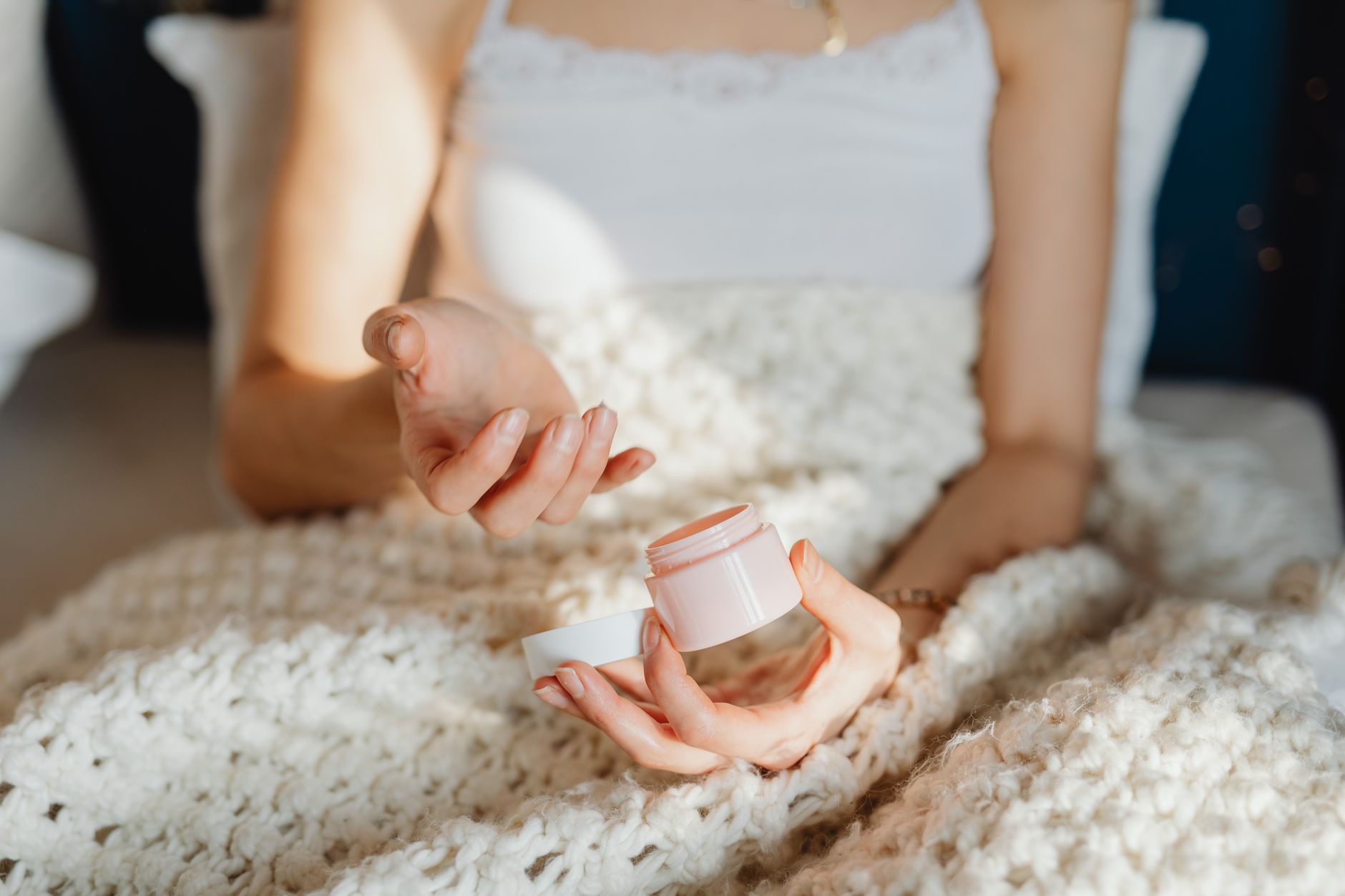
You’ll find skincare products that are currently in high demand in our gallery “Products everyone is talking about”, for example the COSRX Snail Mucin Essence for extra hydration or the LANEIGE Lip Sleeping Mask for overnight lip care.
Part of the Circle with Heal your Home: Your home affects your skin and your well-being, too. How to make the cold season calmer with small rituals is something you can read in “Seasonal Rituals for Your Home: Shaping Autumn as a Season of Letting Go” on Heal your Home.
Leave a Reply