
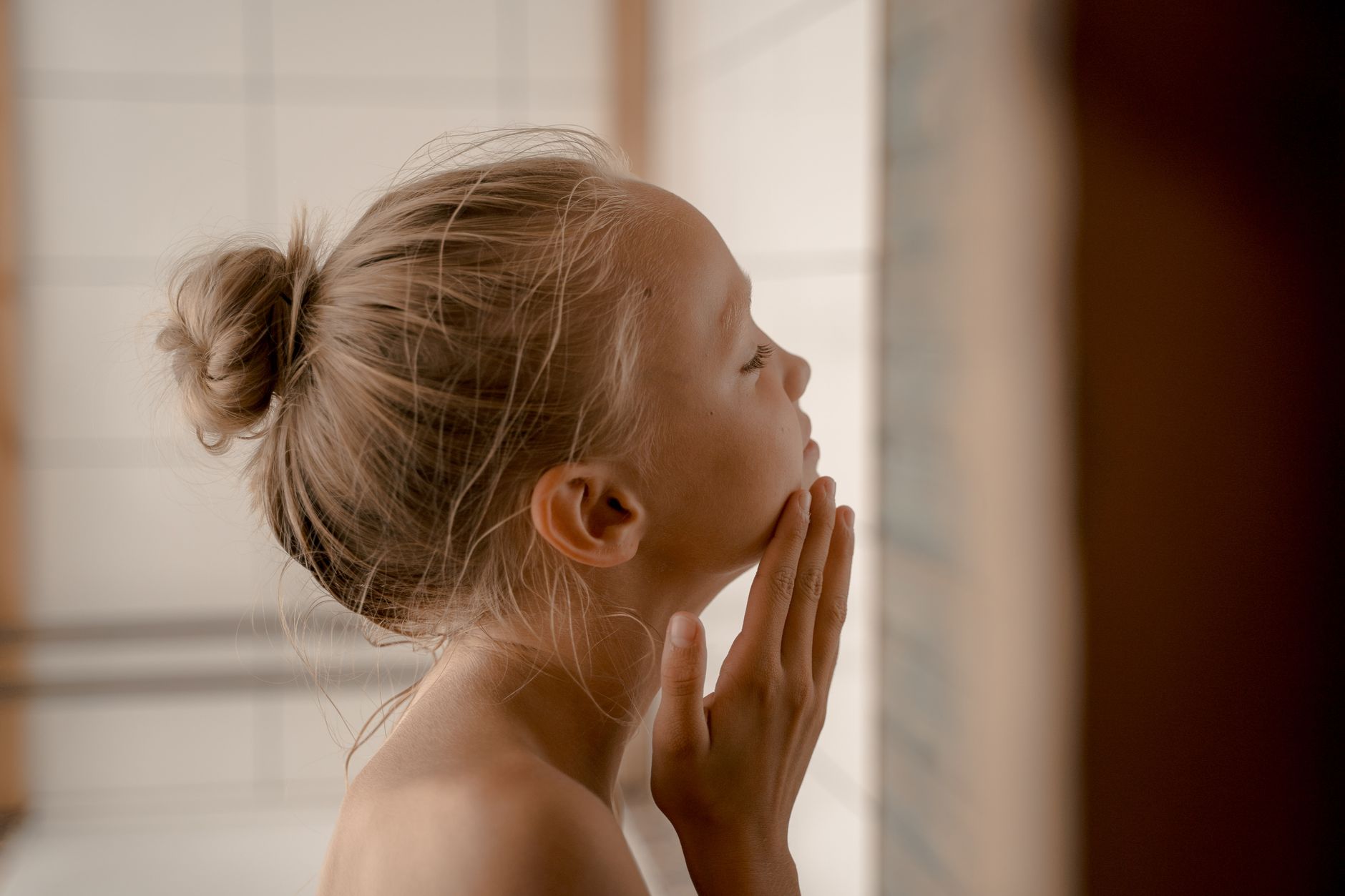
On social media, eight-year-olds now show off their “morning routine”: cleanser, serum, eye cream, face mask. The children apply products developed for adults with fine lines. The trend even has a name: “Sephora Kids”. It shows how early beauty pressure starts today.
As a blog about skin and the nervous system, we want to take a deliberately critical look here. Not to judge parents or children, but to put into perspective what’s actually going on.
What is the trend, anyway?
Children and young teens aged roughly 8 to 13, often called “tweens”, buy and share skincare products that have become popular through influencers and videos.
Generation Alpha is trying skincare much earlier than millennials or Gen Z, and it’s strongly influenced by platforms and peers. Brands have noticed: there are products designed specifically for very young customers, and some face masks for small children have already drawn sharp public criticism for projecting beauty ideals onto six-year-olds.
What children’s skin really needs
The truth is surprisingly unspectacular. In the vast majority of cases, healthy children’s skin needs only three things:
- Gentle cleansing, with just water or a mild wash if needed
- A simple moisturizer when the skin is dry
- Sun protection whenever the sun is out
Anti-aging ingredients like retinol, acids or high-dose vitamin C aren’t meant for children. Their skin doesn’t have any signs of aging that would need “fighting”.
Instead, too much skincare can irritate the still-sensitive skin barrier and encourage redness, eczema or contact allergies. Teenage acne or persistent skin problems should be treated by a doctor.
The real problem: the pressure behind it
So the question isn’t only which cream belongs in a child’s bathroom. The deeper question is: what do children learn when they believe at eight years old that their skin needs to be “optimized”?
They learn that their appearance is a project. That there’s a standard they have to meet. That consumption is the answer to insecurity.
Many of us know exactly this pattern from our own childhood or teenage years. It creates a quiet, constant level of stress, and a nervous system that’s always comparing has a hard time calming down. In the long run, this affects self-esteem, too.
Then there’s the economic background. A young target group is a growing market for the cosmetics industry. As long as insecurity sells, it remains a good business model. Trends, too, live off making us believe we need them.
What parents can actually do
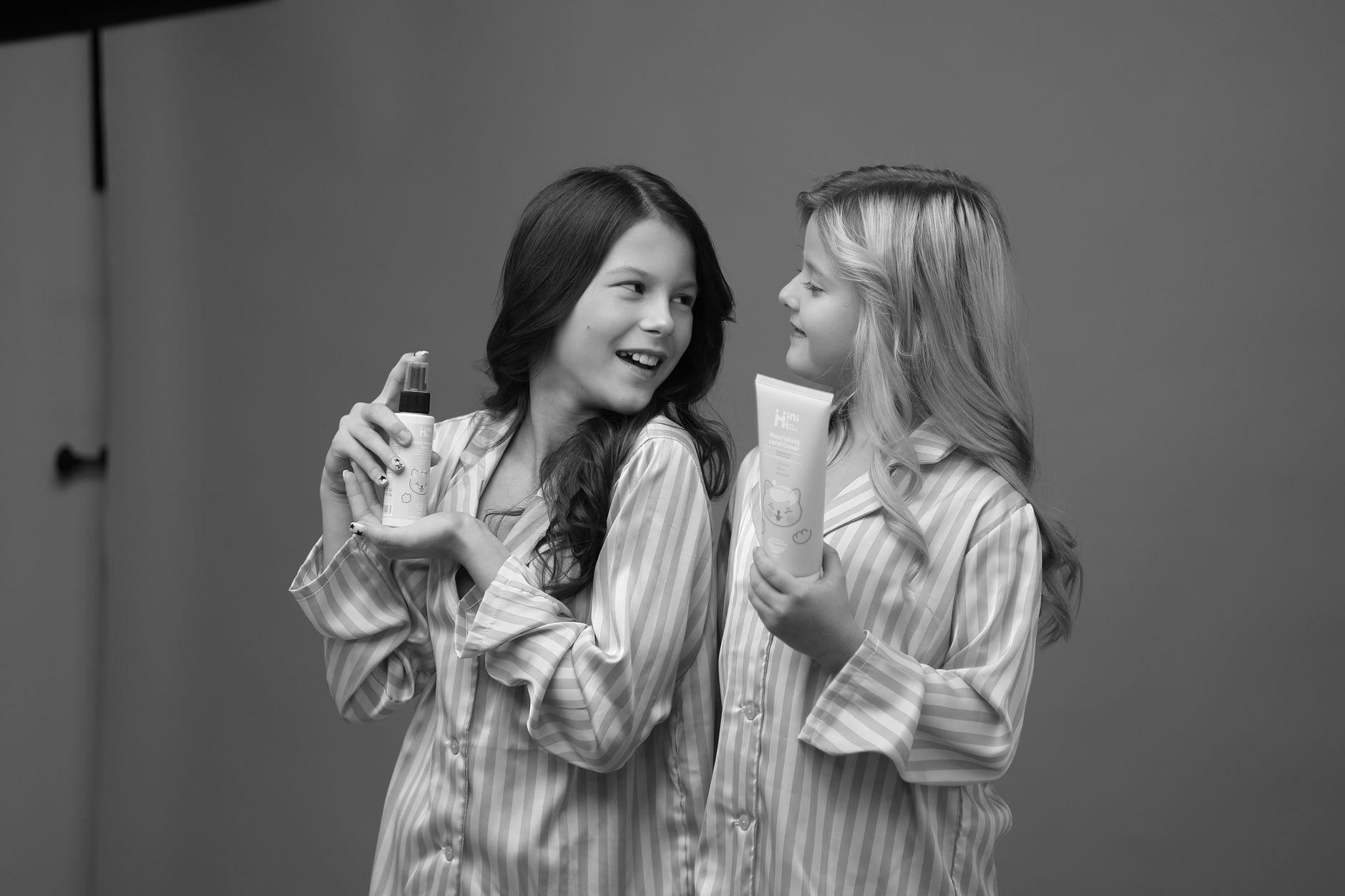
- Stay curious instead of banning it. Ask what appeals to your child about the trend. Often it’s about belonging or the fun of trying things out, not about skin.
- Allow rituals, not active ingredients. An evening ritual of washing, moisturizing and brushing teeth can even be calming. What counts here is the feeling of being cared for, not the product.
- Accompany their media use. Talk about edited images and filters. Children understand early on that videos are staged when you explain it to them.
- Be a role model. How you talk about your own skin shapes how your child talks about theirs. “I like how my skin feels today” does more than any ban.
- See a doctor if there are problems. Persistent acne, rashes or severe dryness should be checked by a doctor instead of being treated with products from the internet.
Gentle basics, if skincare is wanted: A mild cleanser, a simple fragrance-free cream and child-friendly sunscreen are enough. Look for short ingredient lists and avoid fragrance and active ingredients, for example a gentle, fragrance-free face cream for kids or a mineral sunscreen for kids (SPF 50) (affiliate links).
Conclusion
Children’s skin doesn’t need a twelve-step routine. It needs protection, gentleness and an environment in which it doesn’t have to be optimized.
When we show children that their skin is fine just the way it is, we give them something no serum can replace.
Note: This article contains affiliate links and doesn’t replace medical advice.
Part of the Circle with Heal your Mind: Why we adopt terms and trends so quickly without questioning them is something we explore on Heal your Mind: “Why Not Everyone Is One: The Line Between Real Narcissism, Trendy Diagnosis and Victim Stigmatization”.
Leave a Reply